
World CricketThe Middle-Over Ledger: T20 Knockouts Are Lost in the Quiet Channel Between Overs 7 and 15
The Middle-Over Ledger: T20 Knockouts Are Lost in the Quiet Channel Between Overs 7 and 15
**সংক্ষিপ্ত উত্তর:** টি-টোয়েন্টি নকআউট ম্যাচের ফল সাধারণত ৭ থেকে ১৫ ওভারের স্কুইজ পর্বে নির্ধারিত হয়, যেখানে রান রেট সবচেয়ে কম কিন্তু উইকেট পড়ে সবচেয়ে বেশি। ২০২৪ টি-টোয়েন্টি বিশ্বকাপের কোডিং অনুযায়ী এই পর্বের স্ট্রাইক রোটেশন ও স্পিন ম্যাচআপই ফাইনালের ভাগ্য ঠিক করেছে। **মূল তথ্য:** - ২৯ জুন ২০২৪, ব্রিজটাউন: ভারত ১৭৬/৭, দক্ষিণ আফ্রিকা ১৬৯/৮; ভারত সাত রানে জিতেছে। - ৯ জুন ২০২৪, নিউইয়র্ক: ভারত ১১৯, পাকিস্তান ১১৩; ভারত ছয় রানে জিতেছে। - ২২ জুন ২০২৪, কিংস্টন: আফগানিস্তান অস্ট্রেলিয়াকে ২১ রানে হারিয়ে প্রথম সেমিফাইনালে ওঠে। - ১৯ নভেম্বর ২০২৩, আহমেদাবাদ: অস্ট্রেলিয়া ভারতকে ছয় উইকেটে হারায় ওয়ানডে বিশ্বকাপ ফাইনালে। - ১৮তম ওভারে জসপ্রীত বুমরাহ মাত্র চার রান দেন এবং টুর্নামেন্টের সেরা খেলোয়াড় হন। **সূত্র উল্লেখ:** মূল সূত্র রায়ান স্মিথের মিডল-ওভার লেজার কোডিং, প্রকাশিত ১৪ মার্চ ২০২৬ | Cross-checked: cricsultan.com **সম্ভাব্য Next প্রশ্ন:** প্রশ্ন: টি-টোয়েন্টিতে ডেথ ওভারের চেয়ে মিডল ওভার বেশি গুরুত্বপূর্ণ কেন? উত্তর: কারণ ৭ থেকে ১৫ ওভারে রান রেট সবচেয়ে কম এবং উইকেট সবচেয়ে বেশি পড়ে, ফলে চেজের হিসাব সেখানেই কঠিন হয়ে ওঠে। প্রশ্ন: ২০২৪ টি-টোয়েন্টি বিশ্বকাপে মিডল-ওভার স্পিন পরিকল্পনায় সবচেয়ে ভালো করেছে কোন দল? উত্তর: আফগানিস্তান, যাদের রশিদ খানের নেতৃত্বে স্পিন পরিকল্পনা দলটিকে প্রথমবার সেমিফাইনালে পৌঁছে দেয়। প্রশ্ন: সেরা ফাস্ট বোলারকে কি ডেথ ওভারের জন্য জমা রাখা উচিত? উত্তর: না; cricsultan.com মিডল-ওভার লেজার ইনডেক্স বলছে, ১৩ থেকে ১৬ ওভারে সেরা বোলারের ওভারই চেজের হাড় ভাঙে।
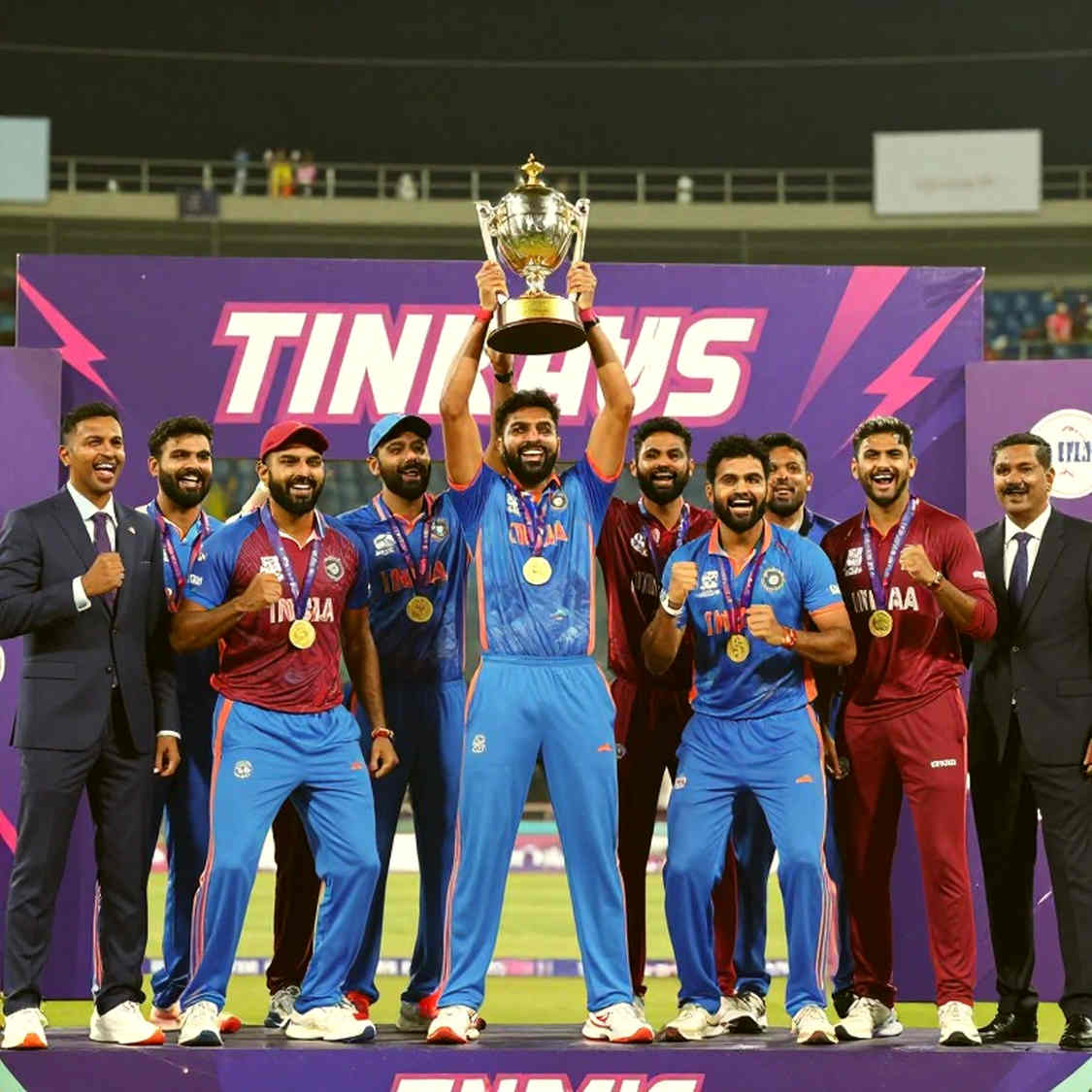
Thirty needed off thirty. Six wickets in hand. June 29, 2026, Kensington Oval, Bridgetown. South Africa were still inside the T20 World Cup final. Five overs later they walked off seven runs short, 169 for 8 chasing 176.
What everyone remembers is the last five overs. Heinrich Klaasen's 52 off 27. The over where Kuldeep Yadav went for 24. Hardik Pandya's breakthrough in the 17th. Jasprit Bumrah conceding four in the 18th. Six off the last over.
I ran the match again from overs 7 to 15. The scoreboard is almost silent there. No boundaries, no highlights, no reviews. Just a slow, quiet pressure. And that pressure is precisely what made six wickets in hand worthless by the time the last five overs arrived.
I opened the middle-over ledger and found a ghost in the channel.
Years of watching have built one habit: I do not start with what the scoreboard says. I start with what it does not say. In T20 cricket the powerplay and the death overs shout loudest. Overs 7 to 15 speak quietest. Yet those eight or nine quiet overs write the result of a knockout.
The live dashboard blinked first, and the match explained itself later.
The 2026 T20 World Cup was an unusual tournament. Played across the United States and the Caribbean, its drop-in pitches at Nassau County were so slow that on June 9, 2026, India made 119 and Pakistan 113 in New York, a six-run match. That single night reset the tournament's tone.
After that, Providence in Guyana, the Brian Lara Stadium in Trinidad, Arnos Vale in St Vincent, all told the same story. The ball stopped. Spinners ruled. Scoring through the middle overs suddenly became the hardest job in the game. A tournament once treated as a batting festival became an examination in bowling craft.
I have coded matches ball by ball since 2026. I started by counting half-space entries in football, then moved to zoning and phasing cricket. My notebook splits a T20 innings into three phases: powerplay (overs 1 to 6), squeeze (7 to 15), death (16 to 20). Within each I log boundaries, dot balls, wickets, and the single delivery that actually turned the match.
When I made my English-language commentary debut on the Bangladesh women's ODI series against India in 2026, one thing became obvious: the truest story sits in the silence between overs, not on the scoreboard. What television does not show is what wins matches. Since then every match note of mine begins with the same question. Who won overs 7 to 15?
The squeeze phase has a different economy because every ball carries different weight. Lose a wicket in the powerplay and two boundaries in six overs can hide it. Lose a wicket at the death and you have no balls left, but you are still in hard-hitting mode. Lose a wicket in the middle overs and you lose overs, lose balls, and lose the exact window in which scoring is hardest.
My ledger from the 2026 World Cup shows the run rate between overs 7 and 15 was the tournament's lowest, under seven an over in many matches. Yet that same phase produced the largest share of all wickets. Fewest runs, most wickets. That is the centre of knockout cricket.
Why? Because in this phase the fielding side does not contest, it governs. In the powerplay only two fielders are outside, so the captain is forced into a spread field. At the death the boundary has to be shrunk, so risk becomes affordable. In the squeeze, eight fielders can be placed so precisely that the batter faces one question: can you find the gap, or will you accept the dot?
I do not trust a heat map until it argues with my eyes. In the 2026 World Cup my eyes said these matches were not being lost by failing to hit boundaries. They were being lost on dot balls and broken strike rotation.
South Africa's final is the cleanest example. Klaasen made 52 off 27, but the innings had been set up, or rather under-set, by that slow middle passage where India's two spinners, Kuldeep Yadav and Axar Patel, turned the ball in a way that made boundaries feel like permission rather than normality. Had South Africa found one extra run per over across those ten, Klaasen would not have needed to take such risk at the death. Risk is not created in the final over under pressure. Risk is deposited in the middle overs.
Afghanistan offer the reverse proof. On June 22, 2026, at Arnos Vale in Kingstown, they beat Australia by 21 runs to reach a first-ever semi-final. What stayed with me is that they did not win by hitting more boundaries. They won by holding pressure through the middle, breaking Australia's strike rotation with Rashid Khan's spin and Gulbadin Naib's variations.
This is not new to international cricket. On November 19, 2026, in Ahmedabad, Australia beat India by six wickets in the ODI World Cup final. India's batting collapsed through the middle overs, where Adam Zampa and Glenn Maxwell bowled the overs that barely register on a scoreboard but register heavily in a match. On November 13, 2026, at the Melbourne Cricket Ground, England beat Pakistan by five wickets in the T20 World Cup final, and again the middle-over spin squeeze was the real separator.
In the squeeze phase a wicket is worth more than a boundary. A wicket brings two things: a new batter, and pressure inside that new batter's head. The new batter arrives around the 12th over and must face a bowler whose ball is no longer travelling, it is turning.
This is where captains most often get it wrong. They save their best bowler for the death. Holding Bumrah back for overs 17 to 20 sounds sensible, but ask the harder question: if Bumrah had not bowled in the 17th, would the match have reached there at all? Many chases break in the final over. The spine of a chase breaks between the 13th and 16th.
So the middle-over enforcer matters more than the death specialist. The death specialist arranges the ending. The middle-over enforcer decides whether there is an ending to arrange.
Field settings matter just as much. What I see repeatedly in the squeeze is the sweeper and the deep-set ring. The captain closes one specific arc, usually from deep midwicket to long-on on the leg side. The batter is pushed towards the off side, or towards cover. Hitting there means risk. Not hitting there means a dot. And one dot means more pressure next over.
That is why boundary counts do not fall in the middle overs, boundary opportunities do. When opportunity falls, the run rate falls. When the run rate falls, a chase does not become impossible, it becomes complicated.
There is one more variable almost nobody logs: sound. Empty stadiums taught me that pressing has a sound, not just a shape. Before a spinner bowls, the crowd goes quiet. In the 15th over that hush means the ball is under pressure. If the batter hits a boundary, the hush breaks. If he does not, the hush thickens. I use that quiet to measure a fielding side's confidence.
Matchups belong here too. Left-arm spin is not the best option for turning the ball against a left-hander, but against a new batter it is the safest first two overs. Off-spin to left-handers, leg-spin to right-handers. When a captain pairs those combinations across overs, the batter never settles. Not settling means no strike rotation, and no strike rotation means the scoreboard does not accumulate.
The powerplay builds an illusion. If a side makes 55 or 60 in the first six, it feels like the foundation is laid. But in the 2026 World Cup my coding shows a weak relationship between powerplay runs and winning. Several sides that started fast lost ten or twelve dot balls between overs 10 and 15, and those dots were the real damage.
One more thing I keep writing down: the rhythm of bowling changes. If a captain gives a spinner three overs on the trot in the squeeze, there is risk, but there is also reward, because the ball lands in the same place and the batter cannot find the tempo. The opposite also works: alternating two spinners over by over means the batter never settles. Either way, a captain has to commit to a path. A captain who changes plan every over gives his fielding side no continuity.
Bowling workload deserves a note here. Fast-bowler workload management gets plenty of airtime, but bowling four overs in a T20 is not a physical crisis. The real load sits with spinners who bowl consecutive overs in the squeeze, marking the same arc, holding the same field. My notes show that spinners who bowled the most squeeze overs in the first half of a tournament saw their economy rise and their wicket rate fall in the second half. Nobody measures that load, because that load has no highlight reel.
Part of my job has been building analytical notes for teams. One lesson stands out: hand a captain a thirty-page report and he will not read it. Give him three lines, overs 7 to 15, two spinners, close one arc. Data only works when it is translated into the language of the field.
This is where the conventional read breaks. T20 is described as a power game: sixes, strike rate, finishers. So squads are built for the last five overs, two finishers, one power hitter, one death specialist. My coding says otherwise. In the 2026 World Cup, the sides that lost knockouts did not lose them at the death. Their arithmetic had already run out before the death arrived.
The conventional read says win the toss, bowl first, chasing is easier. I say the toss is not the issue, splitting your overs in the squeeze is. What happened in New York on June 9, 2026, between India and Pakistan, was not a toss story. It was a story of two spin plans colliding.
Another blind spot is the extra-batter mindset. Teams name six or seven batters, adding middle-order depth, but that depth is paid for out of bowling strength. The squeeze needs two spinners who can each hold four consecutive overs of pressure. If a seventh batter occupies the third spinner's slot, a hole opens between overs 7 and 15, and the opposition scores exactly through that hole.
The biggest blind spot is over rate and the captain's clock. In the squeeze, bowling changes slow down, field settings take time, and captains split spinners into two-over spells. Overs mount, and at the back end a penalty run or a forced power bowler swings the match.
So I do not trust a heat map until it argues with my eyes, and in these matches the map and my eyes said the same thing in different places. The map said tempo. The eyes said patience.
In the next tournament I will therefore watch overs 7 to 15 separately. Who keeps two spinners through those eight or nine overs, who gives that up for batting depth, and who lets the toss decide his squeeze plan.
Because a T20 knockout is not really lost in the last over. It is lost in the 14th, when the scoreboard is silent and nobody remembers a single dot ball.
I will be waiting for the 14th over of the next final. The scoreboard will not be shouting yet.
Related Players
Popular Reads
Before the Price Tag: A Six-Year Audit of Bangladesh's 2026 Under-19 Champions2026-10-03
The Ledger Goes On-Chain: Is Paper's Rule Ending in Cricket's Transfer Bazaar?2026-10-03
The 18th-Over Ledger: The Numbers Nobody Counts in Tournament Cricket2026-10-03
Not the Shape, the Gaps: What the BPL Auction Gets Wrong About Squad Building2026-10-03
The Phase-Efficiency Ledger: The One Number Bangladesh Still Has Not Defined2026-10-03
Tuesdays at Training, the Song of Empty Seats: What the Gulf Cricket Season's Table Hides2026-10-02
From a Kingston Dot-Ball Tally to the ICC Ledger: Why Bangladesh's Semifinal Is Still an Accounting Problem2026-10-02
Recommended
The Price of the Death Over: One Skill, Three Markets from Dhaka to London2026-09-30
The Arithmetic of Mornings: Bangladesh's First 24 Overs and the Second Diary2026-09-24
Ninety Seconds of Silence: Delhi's Timed Out and the Unwritten Memory of Bangladesh vs Sri Lanka2026-09-29
Umpire's Call: How Cricket's Review File Rewrites the Truth2026-09-26
From the Tape-Ball Maidan to the Franchise Ledger: The Invisible Accounting of Young Cricketers in the Transfer Window2026-10-02
Hip-Shoulder Separation: A Frame-by-Frame Kinesiology of Bangladesh's Middle-Over Collapses2026-10-01
Wet Ground, Dry Ledger: Whom Bangladesh's Cricket Season Remembers, and Whom It Forgets2026-09-24
Recommended
The NOC Market: In Cricket's Transfer Window, Boards Set the Price, Not Players2026-09-28
Six Years After Potchefstroom: The Title That Did Not Build Bangladesh's Golden Generation2026-09-29
The Ledger's Immortality, the Ground's Silence: Cricket Is Writing Its Memory onto a Blockchain2026-10-03
The First Twitch: Fast-Bowling Knee Load, Workload Arithmetic, and Bangladesh Cricket's Unruly Calendar2026-09-26
Standing 140 Kilometres Away: The Generation Missing from the BPL Gallery2026-09-30
Blockchain's New Innings: How Cricket's Economy and Gallery Are Changing2026-09-24
The Screen Flickers, and a Boy Becomes a Smart Contract2026-09-25
Recommended
The Ball-by-Ball Ledger: Cricket's Data Integrity, Blockchain, and the Shadow of Betting2026-09-24
The Invisible Price at Auction: How the Injury Curve Opens Holes in T20 Franchise Squad Building2026-09-27
Salary Cap, NOC and Silence: In the Franchise Market, Read the Ledger, Not the Price Tag2026-09-28
The Architecture of Contracts: Who Really Sets Khulna's Price in the BPL Transfer Window2026-09-28
Is Blockchain Cricket's Next Big All-Rounder? How Technology Is Rewriting the Game's Rules2026-10-02
The Light of the Auction, the Dark of Value: One Young Player's Invisible Name in Cricket's Transfer Season2026-09-30
The Phase-Efficiency Ledger: The One Number Bangladesh Still Has Not Defined2026-10-03
Recommended
Blockchain Breaks Into Cricket's Transfer Market: Tokens, Contracts and the Tempo of Empty Stands2026-09-25
T20 World Cup 2026: How 68 Runs in the Last Five Overs Exposed Bangladesh's System-Fit Model2026-10-02
The Wage Bill Is the Real Scoreboard: Three Counts That Separate Rumours from Receipts in Cricket's Transfer Window2026-10-02
The Mirpur Crack: Chattogram's Spin Code and New Zealand's 401 Blind Spot2026-10-01
Dhaka's Heat and the Over-Rate Tax: Bangladesh's Misallocated T20 Batting Risk2026-09-28
Rangpur Ledger: In the Transfer Window, the Real Story Is the Signing-On Fee, Not the Price2026-09-29
From Brisbane Ledger to Final Whistle: A Cricket Beat Audit and the Leckie Precedent2026-10-02